The pressures on nonprofit organizations have never been greater.
Shrinking funding.
Rising demand for services.
Staff pushed past the point of exhaustion.
And at the center of it all: leaders who are expected to hold everything together while quietly coming apart. I know this because I lived it. Leading a nonprofit taught me that an unhealthy leader cannot build a healthy organization — no matter how much they care, how hard they work, or how worthy the mission.
That lesson shapes everything we do at the Kinship Fund.
Wellbeing isn’t a program we offer our nonprofit partners — it’s embedded in how we operate. We provide multi-year, unrestricted funding because we believe that leaders shouldn’t spend their limited energy jumping through annual grant hoops or squeezing their work into narrow funding requirements. We listen, deeply and consistently, because those who carry the weight hold the wisdom. We are not close enough to the daily work of our partners to have all the answers, and we don’t pretend to be.
One of our most important initiatives is what we call the Third Space Model — gathering spaces we are building, together with our partners, where nonprofit leaders can breathe, connect, and be seen. Not to strategize or report out or perform competence, but simply to rest and be in community with people who understand the weight of this work. We’re already witnessing what happens when leaders are given that permission: trust forming between organizations, new collaborations emerging, and leaders returning to their teams with something replenished in them.
But holding space for individual wellbeing is only part of the work. The harder conversation is about the system that makes this necessary in the first place — one that expects nonprofit organizations to do more with less, that attaches status to being overworked and underpaid, and that too often excludes the very leaders doing the most important community work from the tables where decisions get made.
Funders have more power in this system than we sometimes acknowledge. We can choose to fund differently. We can choose to listen more and require less. We can choose to treat the wellbeing of the people we fund not as a nice-to-have, but as a condition for the kind of lasting impact we all say we want.
Thriving organizations need thriving leaders. That’s not a soft idea. It’s the whole point.
In hope,
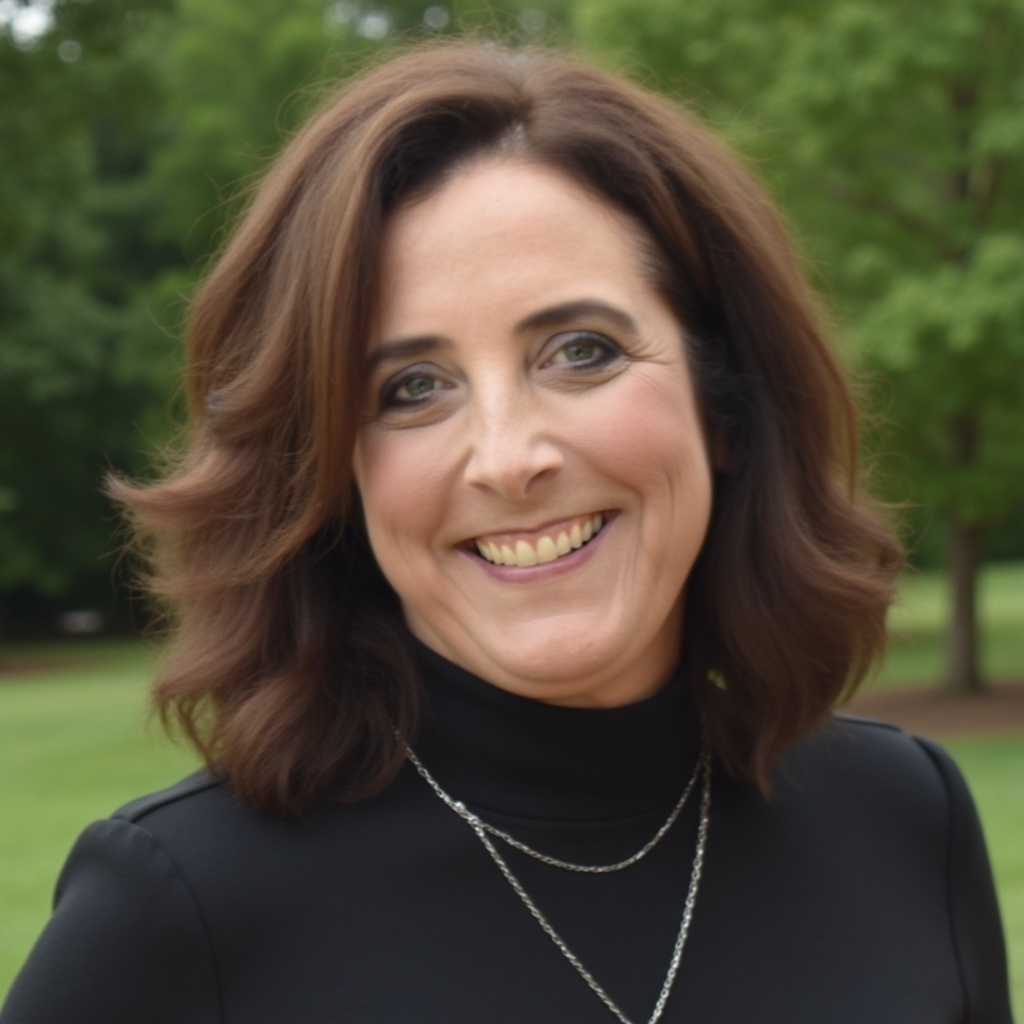
Kim Berry Jones
President
The Kinship Fund